


Ever been left in the dark during a power outage? While a once-a-year blackout is a minor annoyance, frequent outages throughout the year are a major headache. If your lights are going out more often than they stay on, it’s time to find a more reliable solution for your home.
Whether you are using a large system for your home or a small solar power generator for a camping trip, setting it up is easier than you might think. This guide will show you how to do it step-by-step.
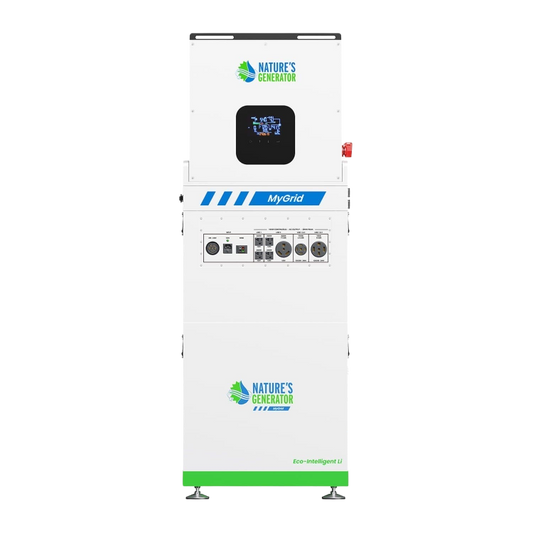
What is a Solar Power Generator?
A solar generator is basically a large, smart battery. It doesn't "make" power by itself. Instead, it takes energy from the sun using solar panels, stores it in a battery, and lets you plug in your devices later.
Most portable solar power generators are "all-in-one" boxes. This means the battery and all the electronics are inside one case. You just plug in your panels and start charging.
Why use one?
-
It’s quiet: There is no motor, so there is no noise.
-
It’s safe: There are no gas fumes, so you can use it inside your house.
-
It’s free: Once you buy the gear, the sunlight costs nothing!
Step 1: Find Out How Much Power You Need
Before you buy a system, you need to know what you want to plug in. Power is measured in Watts. To find out how much energy you use, you need to look at the labels on your devices.
For example, a typical phone charger uses about 10 Watts. If you charge it for 3 hours, you use 30 Watt-hours. A laptop might use 50 Watts; using it for 4 hours would require 200 Watt-hours. When you add these up, you get your total daily need.
Simple Tip: Always get a generator that holds a bit more power than you think you need. This helps if it stays cloudy for a few days and you can't recharge quickly.
Step 2: Choose the Right System
There are two main types of systems you can buy:
1. Large Home Systems (like Nature’s Generator)
These are great if you want to run big appliances like a fridge or a heater. Units from Nature’s Generator are popular because you have the option to go modular. This means you can start with one unit and add extra battery "pods" later if you find you need more storage. You can start with the Lithium 3600 Power Station.
-
Best for: Emergency backup for your house or living off the grid.
2. Portable Power Stations
These are smaller and lighter. Some are small enough to carry in a backpack or keep in your car trunk.
-
Best for: Camping, road trips, or charging phones and laptops during a short outage.
Step 3: Put Your Panels in the Sun
Your solar panels are like the "fuel pump" for your battery. If they aren't in the right spot, they won't work well.
-
Face the Sun: In the Northern Hemisphere (like the US or Europe), point your panels South.
-
Tilt Them: Don't lay panels flat on the ground. Use a kickstand to prop them up so they face the sun directly.
-
Avoid Shade: Even a little bit of shadow from a tree branch or a fence can stop the panel from making power. Keep the entire surface in clear sunlight.
Step 4: Plug Everything In
Setting up portable solar power generators usually only takes a few minutes.
-
Connect the Panels: Use the wires that came with your kit to plug the solar panels into the generator. Most plugs are "keyed," meaning they only fit one way, so it’s very hard to mess up!
-
Check the Screen: Look at the small screen on your generator. It should show a number for "Input" or a sun icon. This tells you the sun is successfully charging your battery.
-
Turn on the Power: Most units have a specific button to turn on the "AC" outlets (the wall-style plugs). Press that button before you plug in your lamp or laptop.
Step 5: Taking Care of Your Generator
Solar gear doesn't have many moving parts, so it lasts a long time if you follow these simple rules:
-
Keep Panels Clean: Wipe dust, pollen, or bird droppings off your panels with a soft cloth and some water. Dirt acts like a blanket and blocks the sun.
-
Don't Let it Sit Empty: If you aren't using your generator, try to keep the battery about half full. If you leave it at 0% for many months, the battery might get damaged.
-
Keep it Cool: While panels love being in the hot sun, the generator box (the battery) does not. Keep the box in a cool, shaded, and dry place while it works.
Setting up a solar power generator in 2026 is a great way to be ready for anything. Whether you choose a big Nature’s Generator system (like the best-selling MyGrid 10K) for your family or a small portable unit for travel, you are taking a big step toward being independent and green.


