


Solar panels are a brilliant investment. They sit quietly on your roof, turning sunlight into free, renewable energy. But because they are exposed to the elements 24/7, they naturally get dirty. From thick yellow pollen in the spring to dusty residues and bird droppings, a layer of "gunk" eventually forms over the glass.
Many homeowners ask: How do you clean solar panels without damaging them? Is a splash of vinegar enough, or do you need specialized chemicals? This guide breaks down the best practices to keep your energy production high and your panels safe.
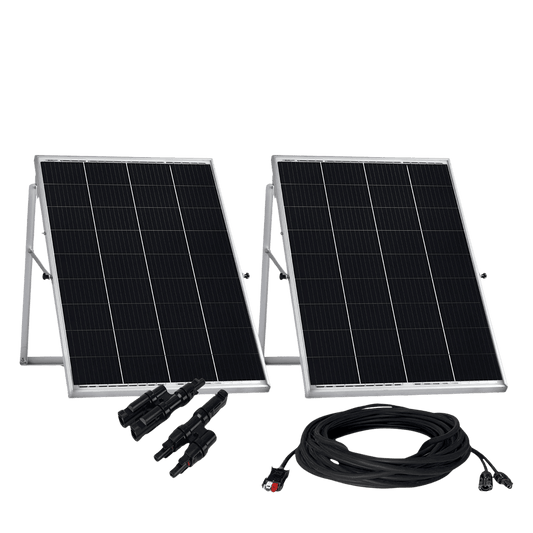
Why Cleaning Matters for Your Energy Bill
It might seem like a thin layer of dust wouldn't matter, but solar efficiency is all about light absorption. When debris blocks the cells, your output drops. Depending on your location, dirty panels can lose between 5% and 20% of their power generation.
If you use a backup system like Nature's Generator, keeping your panels pristine is even more vital. You want every drop of sunlight to charge your batteries efficiently so you have power when you need it most. Regular maintenance ensures you aren't leaving money—or energy—on the table.
The Great Debate: Soap, Vinegar, or Water?
When it comes to washing solar panels, not all liquids are created equal. Here is the breakdown of what works and what to avoid.
1. The Winner: Pure Water
In 90% of cases, plain water is the best way to clean solar panels. Most panels are designed to be "self-cleaning" via rainfall, but rain often leaves behind mineral spots or doesn't have the pressure to move sticky bird droppings.
-
Pro Tip: If you have hard water, use a de-ionizing filter or a squeegee to prevent calcium spots from forming as the panels dry.
2. The Specialist: Mild Soap
If you have oily soot from nearby traffic or sticky tree sap, water alone might not cut it. You can use a very small amount of dish soap, but it must be non-abrasive and ammonia-free.
-
The Risk: The biggest downside to soap is the residue. If you don't rinse it off perfectly, that filmy layer will actually attract dust faster than before.
3. The Wildcard: Vinegar
Vinegar is a DIY favorite, but be careful. It is acidic. While a diluted vinegar solution (1 part vinegar to 8 parts water) can help remove tough hard-water stains, it should never be your "everyday" cleaner. If not rinsed properly, the acidity could eventually degrade the protective seals around the panel frame.
Step-by-Step: How Do You Clean Solar Panels Safely?
If you've decided it’s time for a scrub, follow these steps to ensure you don’t void your warranty or crack the glass.
Check the Temperature
Never spray cold water on hot panels. If the sun has been beating down on them all day, the glass can reach high temperatures. Hitting them with a cold hose can cause "thermal shock," leading to cracks. Always clean in the early morning or late evening.
Use the Right Tools
Forget the pressure washer. The high-pressure stream can strip the anti-reflective coating or force water into the internal electronics. Instead, use:
-
A soft-bristle brush with an extension pole.
-
A high-quality squeegee.
-
A standard garden hose with a spray nozzle.
The Cleaning Process
-
Rinse: Spray the panels to loosen the top layer of dust.
-
Scrub: Use your soft brush and water to gently agitate stubborn spots.
-
Rinse Again: Ensure all loosened dirt is washed away.
-
Squeegee: If you want a professional finish, squeegee the water off to prevent spotting.
Essential Safety Tips for Washing Solar Panels
Working on a roof is inherently dangerous. Before you head up there, consider these safety rules:
-
Stay on the Ground: If possible, use an extension pole so you don't have to climb a ladder.
-
Don't Walk on Panels: Solar panels are not built to support the weight of a person. Walking on them can cause "micro-cracks" that aren't visible to the eye but will kill your energy output.
-
Watch the Wires: Avoid spraying water directly into the junction boxes or exposed wiring underneath the panels.
|
Method |
Recommended? |
Best For |
|
Plain Water |
Yes (Best) |
Routine dust and light dirt |
|
Mild Soap |
Yes (Sparingly) |
Tree sap and bird droppings |
|
Vinegar |
No (Usually) |
Heavy mineral/calcium buildup only |
|
Power Washer |
Never |
N/A (Risk of damage is too high) |
When to Call the Professionals
Sometimes, washing solar panels is a job for the pros. If your roof is exceptionally steep, if the panels are two stories high, or if you simply don't have the time, hiring a solar cleaning service is a smart move. They often use de-ionized water systems that leave a "spot-free" finish without using any chemicals at all.
Keeping Your System Shining
Cleaning solar panels doesn't have to be complicated. Stick to soft tools, cool water, and a bit of elbow grease. By keeping that glass clear, you ensure your home and your unit stays powered up and ready for anything.


