


Stable power is moving from a "given" to a luxury. Whether it’s a sudden summer storm or an aging regional grid struggling under pressure, power outages are no longer rare anomalies. They are a persistent threat to our modern, tech-dependent lives.
This growing vulnerability has sparked a massive shift in how we view energy security. The humble backup system is shedding its image as a niche emergency tool and is becoming as essential as a refrigerator or a washing machine.
The Modern Power Dilemma: Why the Grid Isn’t Enough
Most of us only used to think about generators during extreme disasters. They were loud, smelly, and lived in the back of the shed. But now, the landscape has changed. Climate change has dialed up the intensity of blizzards, hurricanes, and wildfires, all of which can cripple a power grid for days—or even weeks.
Beyond the weather, our infrastructure is simply showing its age. Many grids were built decades ago and weren't designed to handle the massive electrical loads of the 21st century. When you combine a fragile grid with our total reliance on "always-on" connectivity, a blackout is no longer just a reason to light a few candles; it’s a major disruption to work, health, and safety.
The Rise of the Whole House Generator
When homeowners look for a permanent solution, the whole house generator is the first thing that comes to mind. These units are permanently installed outside the home, much like an AC condenser. They connect directly to your home’s electrical panel and fuel line (usually natural gas or propane).
The beauty of these systems is the "set it and forget it" factor. Through an automatic transfer switch, the unit detects a power failure and kicks in within seconds. You don’t have to go outside in a storm or fiddle with pull-cords. For many, this seamless transition is the ultimate peace of mind.
The Sustainable Shift: Best Solar Generator for Home Backup
While gas-powered units are traditional, there is a massive surge in interest toward green energy. Many homeowners are now looking for the best solar generator for home backup to avoid the noise and fuel storage requirements of gas engines.
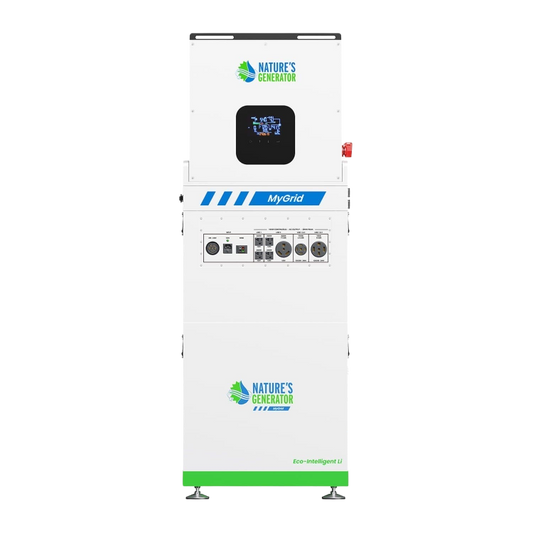
Solar options provide a clean, silent alternative. These systems use high-capacity batteries and solar panels to harvest energy from the sun. Because they don't produce exhaust, you can even keep them inside the house. As battery technology improves, these eco-friendly units are becoming powerful enough to run essential appliances like sumps pumps, fridges, and medical devices.
Why a Generator is Now a "Standard Appliance"
Why are so many people looking for solar generators for sale or installing standby units? It comes down to what we stand to lose during a blackout:
-
Remote Work: If the Wi-Fi dies, so does the workday. For the millions of people working from home, power is a professional requirement.
-
Food Security: A single 24-hour outage can ruin hundreds of dollars worth of groceries.
-
Health and Safety: From CPAP machines to electric well pumps (which provide your water), power is often a matter of physical well-being.
-
Home Protection: Security cameras and smart locks need electricity to keep your property guarded.
Choosing the Right System for Your Lifestyle
Deciding between a traditional fuel-powered unit and a solar-powered system depends on your specific needs.
|
Feature |
Whole House Generator (Gas/Propane) |
Solar Generator (Nature's Generator / Lithium) |
|
Power Output |
High (Can run Central AC) |
Moderate (Great for essentials) |
|
Fuel Source |
Natural Gas/Propane |
Sunlight / Wall Outlet |
|
Maintenance |
Annual engine servicing |
Minimal |
|
Noise Level |
Moderate (Like an AC unit) |
Silent |
|
Installation |
Professional Electrical/Plumbing |
Plug-and-Play |
If you live in a region with frequent, long-term outages, a large whole house generator provides the heavy-duty capacity needed to keep a large family comfortable. However, for those in urban environments or those who want a portable, sustainable solution, browsing solar generators for sale is the smarter path.
The Investment Perspective
While the upfront cost can seem high, think of it as insurance for your home's functionality. A backup system doesn't just keep the lights on; it protects your home from frozen pipes in the winter and mold growth from a lack of AC in the summer. Furthermore, a permanent power solution can significantly boost your property value. Buyers in 2026 are looking for "resilient homes" that can withstand local infrastructure failures.
We are moving toward a future where we can no longer rely solely on a centralized power grid. By integrating systems like those from Nature's Generator or a standby unit into our homes, we are taking control of our own energy destiny.
The transition from "emergency tool" to "household appliance" is almost complete. Soon, asking a neighbor "What kind of generator do you have?" will be as common as asking about their kitchen stove.


