


Imagine the scene: a storm is howling outside, the lights flicker, and then—total silence. In that moment, the darkness feels heavy. You might have a portable generator in the garage, but the thought of dragging it out, fumbling with extension cords in the rain, and deciding which appliances "deserve" power is a logistical nightmare.
This is where an automatic transfer switch for generator setups changes everything. It acts as the brain of your backup power system, sensing a utility failure and safely redirecting your home’s electrical load to your backup source.
But as you start shopping, you’ll find two distinct paths: budget-friendly DIY kits and robust, permanently installed professional systems. Choosing the wrong one can lead to "buyer’s remorse" at best and electrical hazards at worst. Let’s break down which option actually fits your life.
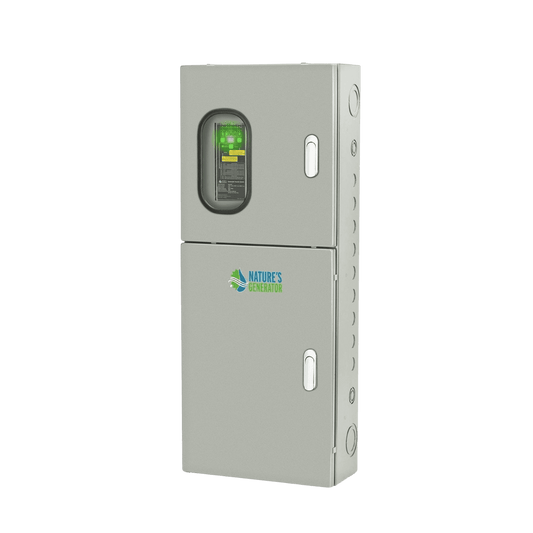
What Does a Transfer Switch Actually Do?
At its core, a transfer switch prevents backfeeding. This happens when electricity from your generator flows back into the utility lines. It’s incredibly dangerous; it can electrocute utility workers trying to fix the grid and fry your generator when the main power returns.
An ATS (Automatic Transfer Switch) handles three critical tasks:
-
Sensing: It monitors the incoming voltage from the grid.
-
Switching: When the grid drops, it disconnects your home from the street and connects it to the generator.
-
Restoration: When it senses stable power, it switches back and shuts down the generator.
Understanding the Power: 1 Ampere is Equal to Watt?
When setting up your switch, you'll need to know your loads. A common question for beginners is how to convert amps to watts. To find the power, you use the formula:
Watts = Amps × Volts
So, if you are on a standard 120V circuit, 1 ampere is equal to 120 watts. Knowing this helps you avoid overloading a DIY kit.
The DIY Contender: Portable Kits and Solar Options
When we talk about "DIY Kits," we usually mean pre-wired switches designed for homeowners with some electrical comfort. These are paired with systems like a Nature's Generator or other portable power stations.
The Benefits of DIY
-
Affordability: You can often find high-quality kits for $300 to $600.
-
Solar Compatibility: If you are using a solar whole house generator, many DIY transfer switches allow you to toggle between solar-stored energy and grid power effortlessly.
-
Simplicity: Most kits use a "critical circuit" sub-panel. You choose 6 to 10 essential breakers (fridge, well pump, internet) rather than trying to run the whole house.
The Trade-offs
While these kits are accessible, they often require manual intervention. You still have to go outside, start the engine, and plug in the cord. Furthermore, if you aren't comfortable opening your main electrical panel, "DIY" is a bit of a misnomer—you'll still want an electrician for the final hookup.
The Professional Heavyweight: Whole-House Systems
Professional systems are typically installed alongside a permanent standby generator. These are hardwired into your home’s natural gas or propane line and your main electrical service.
Why Go Pro?
-
Zero Effort: These systems usually restore power in 10 to 20 seconds. You don't even have to put on your shoes.
-
Load Shedding: Modern professional ATS units are smart. If the generator is getting overwhelmed, the switch temporarily "sheds" high-draw appliances (like a water heater) to keep the lights on.
-
Increased Property Value: A built-in standby system is a massive selling point for real estate, often recovering much of its cost during a sale.
The Downside
The entry price is steep. Between the unit, permits, and expert labor, you’re looking at $2,000 to $5,000, excluding the cost of the generator itself.
Comparing the Two: At a Glance
|
Feature |
DIY / Portable Kit |
Professional Standby ATS |
|
Average Cost |
$300 – $800 |
$2,000 – $5,000+ |
|
Power Source |
Portable Gas / Nature's Generator |
Permanent Propane / Natural Gas |
|
Activation |
Manual or Semi-Auto |
Fully Automatic (24/7) |
|
Capacity |
Selected Critical Circuits |
Whole House Coverage |
Which One Should You Buy?
Choosing between these two isn't just about your bank account; it's about your "panic threshold."
If you want a solar whole house generator setup that you can manage yourself and use for camping or off-grid projects, the DIY kit is a perfect match. It's cost-effective and flexible.
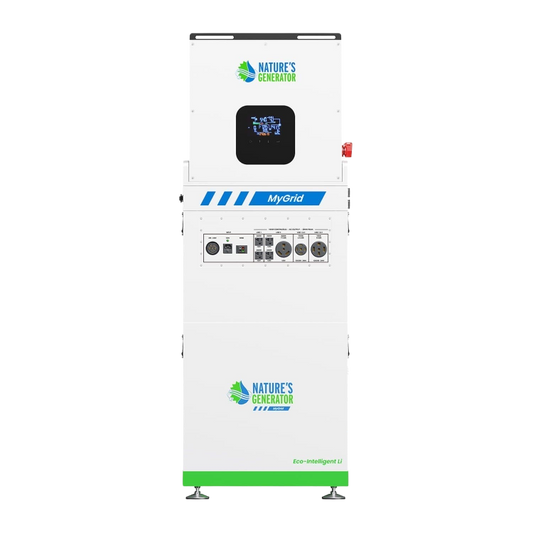
However, if you live in an area prone to severe ice storms or hurricanes, or if you have medical equipment that requires 24/7 uptime, the MyGrid 10K is the only way to go. It’s an investment in "never worrying again."


