


We’ve all been there: the sky turns a bruised purple, the wind howls, and suddenly—silence. The lights flicker out, the hum of the fridge dies, and you’re left in the dark. Power is what keeps our food fresh, our home offices running, and our HVAC systems protecting us from the elements.
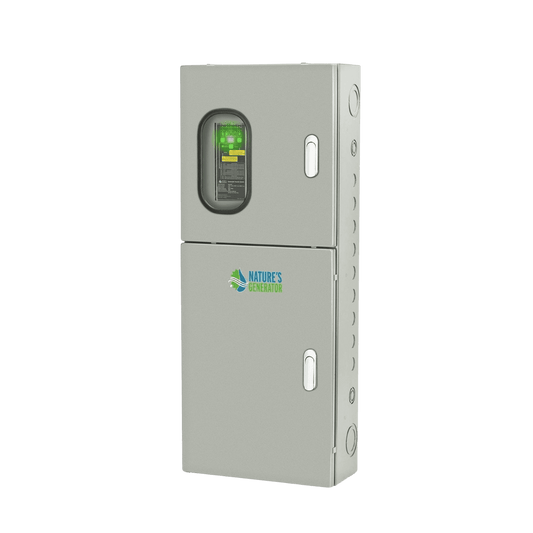
This is why many homeowners invest in home standby generators. However, simply buying a generator is only half the battle. To actually use that power safely and legally, you need a crucial piece of equipment: a transfer switch.
The Danger of "Backfeeding": Why You Can't Skip the Switch
When the grid goes down, your first instinct might be to find a way to "plug the generator into the house." Some people attempt to do this by creating a "suicide cord" (a male-to-male plug) to backfeed their home through a dryer outlet.
Stop right there. Backfeeding is incredibly dangerous. It sends electricity from your generator back out through your meter and into the utility lines. This can electrocute utility workers trying to fix the lines and can even fry your generator when the city power suddenly kicks back on. A transfer switch acts as a permanent gatekeeper, ensuring your home is connected to either the grid or your generator—never both at the same time.
What Exactly Is a Transfer Switch?
A transfer switch is like a traffic cop for your home’s electrical panel, so to speak. It is a specialized device installed near your main breaker box. When a power outage occurs, the switch breaks the connection to the utility line before it makes the connection to your backup source.
This "break-before-make" design is what keeps your home safe and compliant with local building codes. Without one, most insurance companies won't cover damages related to generator use, and standby generators installation wouldn't pass a basic inspection.
Choosing Your Setup: Manual vs. Automatic
Not all transfer switches are created equal. Your choice usually depends on whether you’re using a portable unit or a permanent standby system.
1. Manual Transfer Switches (MTS)
Commonly used with portable generators, this requires you to go outside, start the engine, and then physically flip a heavy-duty toggle on the switch.
-
Best for: Budget-conscious homeowners who don't mind a few minutes of darkness while they set things up.
-
Pro Tip: You’ll need to decide which "critical circuits" (fridge, well pump, furnace) you want to wire to this switch, as portables rarely power a whole house.
2. Automatic Transfer Switches (ATS)
This is the gold standard for standby generators. The moment the grid fails, the automatic transfer switch senses the drop in voltage. Within seconds, it commands the generator to start and flips the power over—usually before you’ve even found a flashlight.
-
Best for: Maximum convenience and 24/7 protection, even if you’re away on vacation.
-
The Catch: These require professional standby generators installation because they integrate directly into your home’s main electrical feed.
Why Your Backup Plan Needs One
If you are looking into home standby generators, the transfer switch isn't an "optional accessory"—it's the heart of the system. Here is why:
-
Safety and Compliance: It is the only legal way to connect a generator to your home’s wiring.
-
Ease of Use: Instead of running ten extension cords through an open window (letting in cold air or exhaust fumes), you just use your home's existing outlets.
-
Circuit Protection: It prevents your sensitive electronics from being hit by the massive surge that occurs when the utility grid comes back online.
Professional Installation Is Key
While DIY projects are great for painting a room, electrical work is a different beast. Standby generators installation involves high-voltage wiring and permits. A licensed electrician will ensure the switch is sized correctly for your home’s load—measured in Amps—so you don’t overload your generator and cause a fire.
|
Feature |
Manual Switch + Portable |
Automatic Switch + Standby |
|
Initial Cost |
Lower |
Higher |
|
Activation |
Manual (You flip it) |
Instant & Automatic |
|
Fuel Source |
Gasoline/Propane (Manual fill) |
Natural Gas/Propane (Hardlined) |
|
Reliability |
Good |
Excellent |
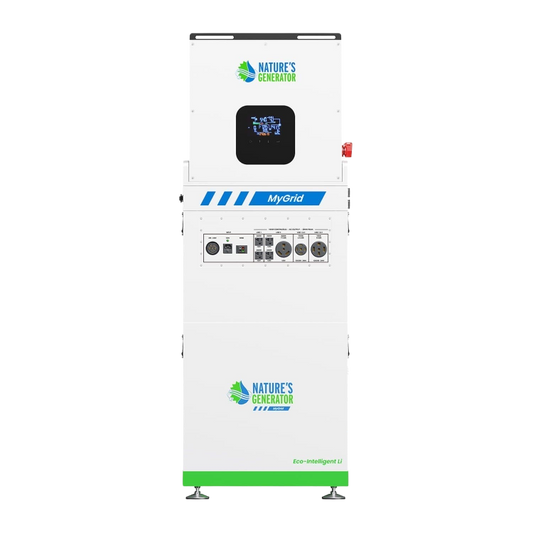
A generator without a transfer switch is like a car without a transmission—you might have the power, but you have no safe way to get it to the wheels. Whether you are looking for a simple manual setup or a fully integrated home standby generators solution like the best-selling MyGrid 10K from Nature’s Generator, prioritize the transfer switch. It’s the difference between a stressful blackout and a home that stays bright, warm, and safe.


