


Whether you want to keep your food from spoiling or ensure your phone stays charged for emergency updates, having a plan is essential. That is where a solar generator and panels setup comes into play.
Building a reliable home backup system used to involve smelly gasoline, loud engines, and complex wiring. Today, the game has changed. Systems like the Nature’s Generator have made it possible for anyone to harness the sun and keep their lights on without the noise or fumes. This guide will walk you through everything you need to know about setting up your own solar lifeline.
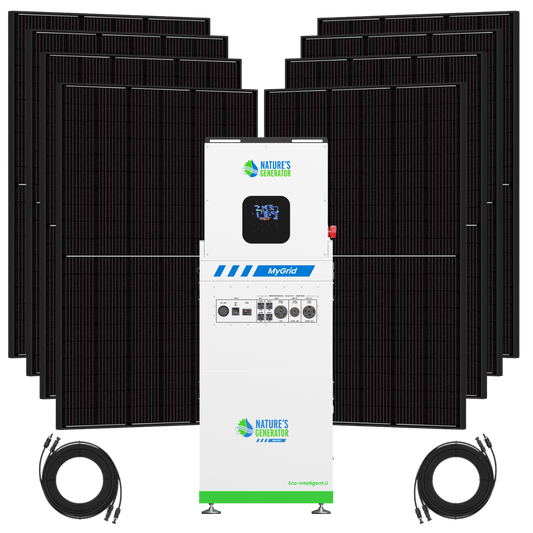
Why Choose a Solar Generator Over Gas?
The traditional choice for backup power has always been the portable gas generator. While they are powerful, they come with a laundry list of chores: buying fuel, oil changes, and the constant fear of carbon monoxide.
A solar generator and panels system is different. It is essentially a large battery (a power station) paired with an inverter that turns sunlight into household electricity.
The Key Benefits
-
Zero Noise: You can run it inside your living room while watching a movie.
-
No Fuel Costs: Once you own the panels, the fuel is free and delivered daily by the sun.
-
Indoor Safe: Since there are no emissions, you do not have to worry about exhaust.
-
Low Maintenance: No spark plugs to change or carburetors to clean.
Finding the Best Solar Power Generator for Your Needs
Not all units are created equal. When searching for the best solar power generator, you need to look beyond the price tag and focus on two specific numbers: Capacity (Wh) and Output (W).
1. Capacity (Watt-Hours)
Think of this as the size of your fuel tank. If a generator has a capacity of 1,000Wh, it can theoretically power a 100-watt device for 10 hours. For home backup, you generally want something that can grow with you. This is why the Nature’s Generator is a popular choice; it allows you to daisy-chain additional battery pods to increase your total storage.
2. Output (Watts)
This is how much "push" the generator has. If you want to run a microwave (1,000 watts) and a coffee maker (800 watts) at the same time, you need a generator that can output at least 1,800 watts continuously.
The Essentials: Calculating Your Power Budget
The biggest mistake people make is buying a system that is too small. To build a reliable backup, you need to know what you are actually trying to keep running. Let's look at a common concern: the kitchen.
How Much Electricity Does a Freezer Use Per Day?
One of the first questions people ask when prepping for a blackout is: how much electricity does a freezer use per day?
On average, a modern, energy-efficient chest freezer uses about 0.6 to 1.2 kWh (or 600 to 1,200 watt-hours) per 24 hours. However, older models can use significantly more. If you have a power station with a 1,000Wh capacity, it might only keep a large freezer running for about 12 to 18 hours if you aren't recharging it.
Pro Tip: Keep your freezer full. A full freezer holds its temperature longer than an empty one, meaning the compressor does not have to kick on as often, saving your precious battery life.
Building the System: Panels and Placement
The generator is the heart, but the solar panels are the lungs. Without enough "breath" from the sun, your battery will eventually run dry.
Rigid vs. Portable Panels
If you are building a permanent home backup, rigid panels mounted on a roof or a backyard rack are the gold standard. They are durable and weather-resistant. However, if you want a system you can take camping or move around the yard to catch the last bits of evening sun, portable folding panels are the way to go.
The 1:2 Rule
A good rule of thumb for a solar generator and panels setup is to have enough solar wattage to charge your battery from empty to full in about 5 to 6 hours of peak sunlight. If you have a 2,000Wh battery, you should aim for about 400 to 500 watts of solar panels to ensure you stay ahead of your daily consumption.
Setting Up Your Backup: Step-by-Step
Building your system does not require an engineering degree. Here is how to get it done:
-
Identify Your Essentials: List your must-haves (fridge, internet router, phone chargers, CPAP machine).
-
Sum the Watts: Add up the running wattage of these items.
-
Choose Your Battery: Pick a unit like the best solar power generator in its class—one that offers LiFePO4 (Lithium Iron Phosphate) batteries, as they last for 10+ years of daily use.
-
Connect the Panels: Use MC4 connectors (the industry standard) to link your panels to the generator.
-
Test It: Do not wait for a storm. Unplug your fridge and run it off your generator for a day to see how the battery holds up.
Maintenance and Longevity
The beauty of a modern solar generator and panels kit is how little work it requires. To keep your Nature’s Generator or similar unit healthy, follow these three rules:
-
Keep it Topped Off: Most batteries prefer to stay between 20% and 80% charge. If you are storing it, check the level every three months.
-
Temperature Matters: Batteries hate extreme heat and freezing cold. Store your generator inside your home rather than in a hot garage or a freezing shed.
-
Clean Your Panels: A thin layer of dust or pollen can drop your solar efficiency by 10% or more. A quick wipe with a damp cloth once a month makes a world of difference.
Is it Worth the Investment?
The upfront cost of a high-quality solar generator and panels system can range from $1,000 to $5,000 depending on the size. However, when you consider the peace of mind during a multi-day outage, the lack of ongoing fuel costs, and the ability to use it for outdoor adventures, the value becomes clear.
By understanding how much electricity do you use per day and matching your battery capacity to your lifestyle, you are no longer at the mercy of the power grid. You are your own utility company.
Building a backup system is a journey, not a one-day task. Start with a solid foundation and expand as you learn.


