


Have you ever looked at your electricity bill and wondered if you could stop paying it and start getting paid instead? Many homeowners are now turning to renewable energy to take control of their power costs. If you live in Pennsylvania and are served by PPL, you might be curious about how you can use a solar powered generator or a small wind system to shrink your monthly expenses.
The magic happens through a policy called net metering. This process essentially turns your utility meter into a two-way street, letting you bank the extra energy you produce to use whenever you need it most.
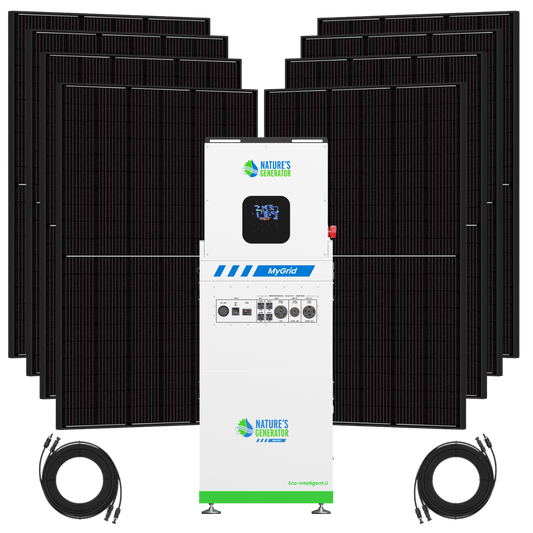
How Net Metering Turns Your Home Into a Power Plant
Think of net metering as a credit system for your home energy. When your solar panels or a wind generator are working hard on a sunny or breezy day, they often produce more electricity than your home can use. Instead of letting that clean energy go to waste, it flows back onto the PPL grid.
Your meter measures this outflow, and PPL gives you credits for that power. When the sun sets or the wind dies down, you pull power from the grid like a normal customer. However, your utility uses those banked credits to offset your usage. At the end of the month, you only pay for the net amount of electricity you actually consumed.
Using a Solar Powered Generator or Wind Generator
Many people ask if they can use a portable setup or another home energy system to participate in net metering. It is vital to understand the difference between off-grid and grid-tie systems.
If you want to earn credits on your PPL bill, your equipment must be designed for grid-tie operation. This means the system includes an inverter that synchronizes with the grid frequency, which is a safety requirement for any energy sent to utility lines. While a portable solar powered generator can be a fantastic backup for emergencies, not every model is built for direct grid interaction. If you are looking to lower your monthly bill, you need to ensure your solar or wind generator is certified for utility interconnection.
Steps to Get Started with PPL
If you are ready to invest in renewable energy, do not just buy hardware and hope for the best. PPL has a specific process to ensure your system is safe and compliant with grid standards.
-
Review your energy usage: Check your last year of bills to see how many kilowatt-hours you consume annually.
-
Choose your equipment: Whether you choose a large roof installation or a residential wind generator, ensure it matches your household needs.
-
Consult a professional: Work with an installer who understands the interconnection requirements for PPL.
-
Submit an application: You must get official approval before connecting any generation system to the grid.
If you have questions about your eligibility or specific technical requirements, you can reach out to their support team. You can find the PPL customer service phone number on their official website at 1-800-342-5775.
Understanding the Financial Benefits
Will your bill hit zero? For most, net metering acts as a significant discount rather than a total elimination of costs. You will still see fixed charges for the connection to the grid, but your usage fees can drop dramatically.
By strategically sizing your wind generator or solar array, you can offset a massive chunk of your annual energy needs. It is a long-term play. Over time, the savings on your monthly bill help pay for the initial investment in your renewable energy gear.
Transitioning to renewable energy is a rewarding journey. Whether you start small or go big with a whole-home system, the goal is the same: sustainability and cost control. By leveraging net metering, you make your home a cleaner, more efficient place to live.


