


When the grid goes down, the silence is usually the first thing you notice. Then, the reality sets in—no lights, no fridge, and the creeping anxiety of wondering how long you will be living like it’s the 19th century.
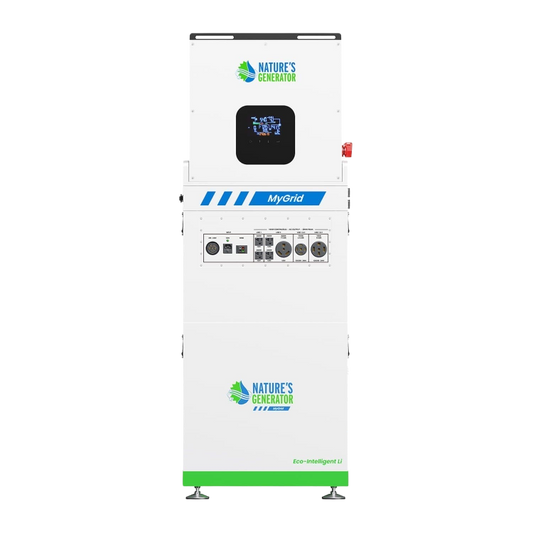
If you have invested in a whole house solar generator, you have already taken the biggest step toward self-reliance. But there is a massive difference between having a big battery in the garage and actually being able to use it when the power cuts out. You cannot just plug your entire house into a portable unit and expect it to run your HVAC, electric dryer, and toaster all at once. That is a recipe for a tripped breaker and a dead system within an hour.
The secret to true emergency preparedness is prioritizing your needs. By focusing on five critical circuits, you can turn your solar power generator for home use into a lifeline that keeps your household running for days, not just hours.
Why You Can’t Power Everything at Once
Most homeowners drastically underestimate their electrical draw. If you look at your main breaker panel, you are looking at 100 to 200 amps of potential service. Most high-end portable solar units, even those like Nature's Generator systems, have defined output limits.
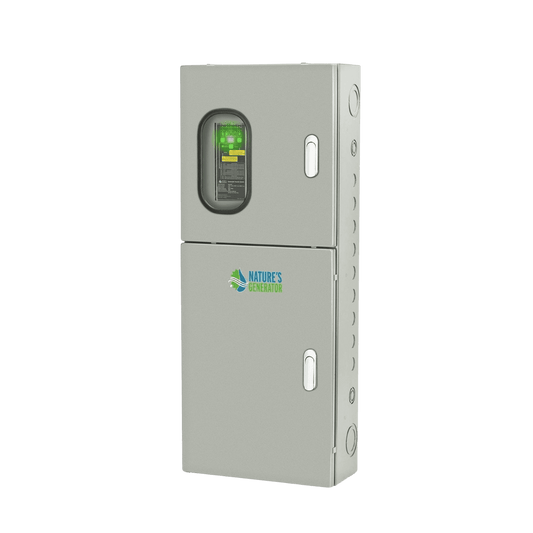
If you try to run high-wattage appliances—like an electric water heater, central AC, or a microwave—you will exceed your inverter’s surge capacity instantly. Instead, we use a transfer switch or a sub-panel to isolate the circuits that actually keep your family safe and comfortable.
Here are the 5 critical circuits you need to prioritize.
1. The Refrigerator and Freezer Circuit
This is non-negotiable. If you lose power for more than a few hours, the food in your fridge and deep freeze is at risk. Losing hundreds of dollars in groceries during an emergency is an unnecessary financial gut punch.
Why it matters: It is about caloric security. You need to keep perishable food cold to ensure your family remains fed without needing to venture out to stores during a chaotic grid-down event.
Wiring Tip: Use a dedicated circuit for your kitchen refrigeration. Ensure your solar generator is sized to handle the "inrush current"—the brief, high-wattage spike that happens when the compressor motor kicks on.
2. The Lighting Circuit (Central Hub)
Living in the dark is demoralizing. While LED lanterns are fine, having permanent overhead lighting provides a sense of normalcy and safety.
Wiring Tip: Map your lights to a specific circuit. By utilizing modern LED bulbs throughout your home, you can keep the entire house lit for days on a fraction of the wattage an old-school incandescent bulb would require.
3. The Medical and Communication Circuit
In any emergency, information is your most valuable asset. You need a circuit that powers your internet router, your charging stations for phones and radios, and any critical medical equipment like CPAP machines or home monitors.
Why it matters: Connectivity keeps you informed about the status of the local power grid and any emergency broadcasts.
4. The Well Pump (If Applicable)
If you are on a well, no power means no water. This is the single most critical utility in an emergency. If you don't have water, you can't cook, clean, or flush toilets.
Wiring Tip: Well pumps often require 240V power. Ensure your whole house solar generator setup is compatible with 240V output or that you have a step-up transformer configured correctly. This is often the heaviest load you will manage.
5. The Living Area Outlet Circuit
You need one central place where the family can gather. This circuit should power your television (for news/DVDs), a fan or space heater, and a coffee maker.
Why it matters: Morale. Keeping the family calm, warm, and entertained is essential during a high-stress event.
How to Get the Wiring Done Safely
Wiring a solar generator into your home requires more than just an extension cord running through a window. You need a way to isolate your home's wiring from the utility grid to prevent back-feeding—a dangerous situation where electricity travels back into the grid and can kill utility workers trying to fix the lines.
The Transfer Switch Method
A transfer switch is the gold standard. It sits between your main panel and your appliances. When the power goes out, you plug your generator into the transfer switch, flip the toggles for your 5 critical circuits, and you are running on sun power within seconds.
The Sub-Panel Method
For a more permanent setup, you can install a sub-panel. You move your 5 critical circuits from the main panel to this sub-panel. Then, you wire the sub-panel to your generator input. This is cleaner and safer for long-term use.
Optimizing Your Nature's Generator Setup
When using a system like Nature's Generator, efficiency is the name of the game.
-
Sun Exposure: Position your solar panels for maximum solar noon exposure.
-
Battery Maintenance: Don't wait for a storm to test your system. Discharge and recharge your battery every few months to keep the chemistry healthy.
-
Load Shedding: Learn which appliances are energy vampires. Even on your critical circuits, turn off anything you don't absolutely need.
Safety First: The Golden Rules
-
Never back-feed: Always use a transfer switch ( we recommend an Automatic Transfer Switch). It is not just about your safety; it is about the safety of your neighbors and the power company crews.
-
Keep it dry: Solar generators are portable, but they are not boats. Keep them in a cool, dry area.
-
Professional help: If you are not comfortable handling high-voltage electricity, hire a licensed electrician. They can install the transfer switch and label your circuits correctly in an hour or two. It is a small price to pay for peace of mind.
Preparing for an emergency shouldn't be about fear; it should be about confidence. When you have a solar power generator for home use and a clearly defined plan for your 5 critical circuits, a power outage shifts from a crisis to a manageable inconvenience.
Start by auditing your current energy needs today. Identify those five circuits, check your load requirements, and build your setup now—before the next storm clouds roll in.


