


Choosing between mobile power and a permanent fixture for your residence feels like a high-stakes decision. With energy costs climbing and unpredictable weather patterns becoming the new normal, securing your own electricity source is no longer just a hobby for tech enthusiasts. It is a vital strategy for independence. Whether you are aiming to keep the lights on during a blackout or trying to power a blender in the middle of the woods, the right setup makes all the difference.
Defining the Contenders
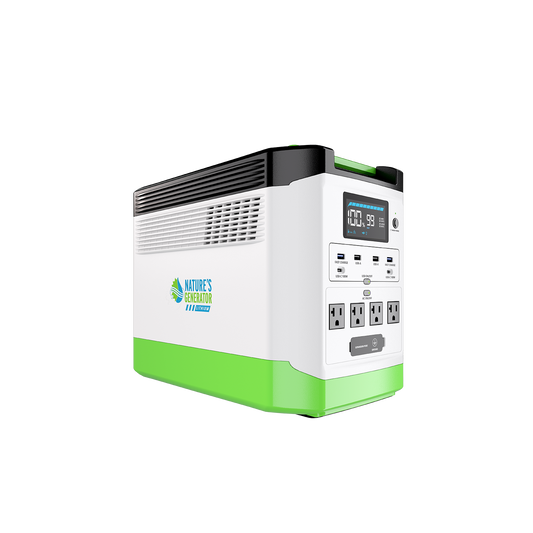
To start, let us clarify what we are actually comparing. On one side, we have the portable solar panel generator. These are compact, all-in-one units that combine a battery, an inverter, and a charge controller into a luggable box. You can pair them with foldable panels and take your power to go.
On the other side, we find solar home generator systems like the MyGrid 10K. These are robust, heavy-duty installations. They involve mounting rigid panels to your roof or a ground rack and wiring them directly into your electrical panel. While both use the sun to create juice, their DNA is fundamentally different.

The Allure of Mobility: Why Choose a Portable Unit?
If your life involves a healthy mix of backyard DIY projects and weekend getaways, a portable solar panel generator is likely your best friend. These devices have evolved rapidly. Gone are the days of heavy lead-acid batteries that barely charged a phone. Modern lithium-ion or LiFePO4 versions, like those offered by Nature's Generator, provide incredible density in a manageable size.
Versatility and Ease of Use
The primary selling point here is simplicity. You do not need a permit from the city or a professional electrician to get started. You simply unfold your panels, plug them into the unit, and watch the percentage climb. This plug-and-play nature makes them the ultimate solar powered backup generators for renters or people who move frequently.
Perfect for the Great Outdoors
Imagine camping without the roar of a gas engine. Since these units produce no fumes and almost zero noise, they are perfect for van life or tailgating. They allow you to maintain modern comforts—like a heated blanket or a mini-fridge—without disturbing the peace of the wilderness.
The Power of Permanence: When Stationary Systems Win
While mobility is great, it often lacks the raw muscle required to run an entire household indefinitely. This is where solar home generator systems shine. These setups are designed to handle heavy loads like central air conditioning, well pumps, and electric ovens.
Long-Term Financial Gains
Installing a permanent system is an investment in your property value. Most regions offer significant tax credits and incentives for residential solar installations. Over a decade, the savings on your utility bill often pay for the entire system, eventually leading to $0 monthly energy costs.
Seamless Integration
A stationary system is often tied into a transfer switch. When the grid goes down, the transition to battery power is nearly instantaneous. You won't find yourself tripping over extension cords in the dark because your wall outlets simply keep working.
Key Comparisons: A Side-by-Side Look
|
Feature |
Portable Solar Generator |
Stationary Home System |
|
Installation |
None (Plug & Play) |
Professional Required |
|
Capacity |
Low to Medium (1kWh - 6kWh) |
High (10kWh - 30kWh+) |
|
Portability |
High (Wheels/Handles) |
Zero (Fixed) |
|
Cost |
Lower upfront |
Higher initial investment |
|
Longevity |
5-10 years |
25+ years (panels) |
Navigating the Cost Factor
Budgeting for energy independence requires looking at both the sticker price and the long-tail value. A high-quality portable solar panel generator might cost anywhere from $1,000 to $5,000 depending on the battery capacity. This is a one-time purchase with no hidden fees.
Conversely, solar home generator systems can range from $15,000 to $40,000. While that number looks intimidating, remember that it replaces a recurring monthly expense. Furthermore, high-end brands offer modular stationary options that bridge the gap, allowing you to expand your system as your budget permits.
Reliability During Emergencies
When the sky turns gray and the grid fails, your priority is safety. Many people look specifically for solar powered backup generators to keep medical equipment or refrigerators running.
A portable unit is fantastic for targeted backup. You can bring it into the kitchen to keep the freezer cold. However, if an outage lasts for weeks, a small portable unit might struggle to recharge quickly enough if the panels are small. A stationary system, with its massive roof-mounted array, captures significantly more energy even on cloudy days, providing a more consistent safety net for the long haul.
Environmental Impact and Sustainability
Both options are massive wins for the planet. By transitioning away from fossil-fuel-reliant gas generators, you reduce your carbon footprint and eliminate toxic exhaust.
Portable units are particularly sustainable for those who enjoy outdoor recreation, as they prevent the use of small, inefficient gas engines often found at campsites. Meanwhile, home systems contribute to a greener grid by feeding excess energy back to the utility company in many areas, helping your neighbors use cleaner power too.
Which One Suits Your Lifestyle?
To make the final call, you must honestly assess your daily habits and future goals.
-
Choose a portable system if: You live in an apartment, love off-grid travel, or only need to power a few essential devices during short blackouts. It provides immediate gratification and flexibility.
-
Choose a stationary system if: You own your home, have high monthly electricity bills, or live in an area prone to frequent, long-lasting power outages. It is a commitment to long-term resilience.
The Modular Middle Ground
Interestingly, the line between these two categories is blurring. Some companies now design systems that are essentially "portable-stationary" hybrids. You can start with a mobile base and add "Power Pods" or extra batteries over time. This modularity allows you to enjoy the benefits of Nature's Generator products without having to drop $20,000 on day one.
By starting small and scaling up, you can eventually build a system that rivals permanent installations while maintaining the ability to pack up the core components if you decide to move.
Ultimately, the best system is the one that you actually use. A massive stationary array is useless if you spend all your time in an RV, and a small portable unit won't help much if your basement floods because the sump pump died during a storm.
Analyze your peak wattage needs. Look at your heaviest appliances. Consider your physical ability to move equipment. Once you have those answers, the choice between a portable solar panel generator and a full-scale home setup becomes clear. In an era of uncertainty, owning your power is the ultimate peace of mind.


