


The sound of a gasoline engine once brought a sense of relief during a blackout. As we traverse the energy landscape of 2026, that loud, fume-emitting relic is swiftly fading into history. If you have been searching for the ideal solar generator for home use lately, you may have observed that the market has evolved from basic battery boxes to advanced energy hubs.
With the arrival of high-end solar powered stations, our perspective on home resiliency is transformed. This represents not merely an advancement in green technology; it signifies a fundamental reimagining of our relationship with energy ownership.
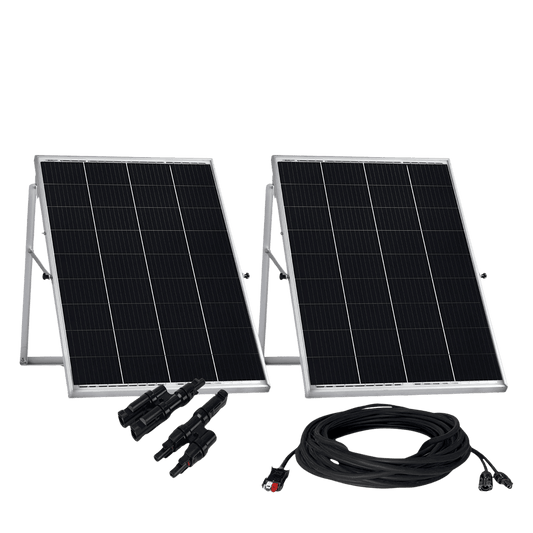
For years, the biggest argument against solar was that it felt like a science project. You needed massive panels, complex wiring, and a prayer that the sun would shine. Fast forward to 2026, and the tech has finally caught up to our needs.
1. Intelligence Over Raw Power
A traditional generator is a blunt instrument. It runs at one speed, consumes fuel at a set rate, and does not care if you are charging a phone or running a dryer. Modern systems use AI-driven load balancing.
These units can actually talk to your smart home. If the grid goes down, the station automatically prioritizes your refrigerator and medical devices while cutting power to non-essential zones like the guest room or the dishwasher. This level of control extends your battery life by hours, if not days.
2. The Death of the Maintenance Cycle
If you own a gas backup, you know the drill: check the oil, stabilize the fuel, and pray the carburetor isn't gummed up when the storm hits. A solar powered backup generator has zero moving parts in its core. No spark plugs, no filters, and no oily messes. In 2026, we value time as much as energy. A system that sits silently for six months and works instantly with a screen tap is simply the superior choice.
The Tech Breakdown: What Makes 2026 Different?
We have hit a triple threat of innovation this year that has made these stations more efficient than ever before. If you are researching the best solar generator for home integration, these are the three features you must look for:
Solid-State Battery Tech
The transition from liquid lithium-ion to solid-state batteries has been a game-changer. These batteries are lighter, hold more energy, and—most importantly—are incredibly safe. They do not have the same fire risks as older models, meaning you can keep a massive 10kWh station right in your living room or closet without a second thought.
Perovskite Solar Harvesting
Old panels were rigid and inefficient. The 2026 standard uses perovskite-silicon tandem cells. These can pull energy from the UV spectrum even on cloudy, drizzly days. This means your backup keeps charging even when the weather is at its worst—which is exactly when you need it most.
Bi-Directional Charging
Your solar station is no longer just a backup; it is a participant in the economy. Many 2026 models allow you to sell power back to the grid during peak pricing hours. You can charge your station for free during the day and "sell" that power back to the utility company at 7:00 PM, effectively making your monthly power bill disappear.
Comparing the Options: Traditional vs. Smart Solar
|
Feature |
Old-School Gas Backup |
2026 Smart Solar Station |
|
Fuel Cost |
Expensive and fluctuates |
$0 (Free sunlight) |
|
Noise |
Like a lawnmower in your yard |
Silent |
|
Placement |
Outside only (Carbon Monoxide) |
Anywhere (Even under your bed) |
|
Maintenance |
Frequent and messy |
Virtually none |
|
Daily Use |
Never (Emergency only) |
Every day (To lower bills) |
Is it Time to Make the Switch?
The financial math has finally flipped. A few years ago, solar was a luxury. Today, when you factor in the rising cost of fuel and the plummeting price of high-capacity batteries, a solar powered backup generator pays for itself in a fraction of the time. If money isn’t a problem, then we suggest you get the MyGrid 10K from Nature’s Generator.
Beyond the money, there is the peace of mind. There is a specific kind of stress that comes with hauling gas cans in the rain during a hurricane. Replacing that with a silent, glowing screen that tells you exactly how many days of power you have left is a massive quality-of-life upgrade.
How to Choose Your Setup
When looking for the best solar generator for home setups, consider your "must-haves."
-
The Minimalist: A 2kWh unit for phones, laptops, and a few LED lights.
-
The Family Home: A 5kWh to 10kWh system that handles the fridge, microwave, and Wi-Fi.
-
The Off-Grid Dreamer: A modular system like the Lithium 6000 Power Station allows you to add more batteries (we call it Power Pods) and panels as your budget allows.
The transition away from fossil-fuel backups is not just a trend; it is an evolution. As we move further into 2026, the silence of solar will continue to replace the roar of the engine. Whether you are prepping for the next big storm or just want to stop giving so much money to the electric company, the smart solar station is the clearest path forward.


