


For decades, the steady hum of industrial standby generators has been the heartbeat of emergency preparedness. When the grid went down, the diesel engine roared to life, sending out a cloud of black smoke and giving the raw power needed to keep data centers humming or assembly lines moving. But as we get closer to the end of 2026, that familiar roar is starting to sound more and more like a thing of the past.
The energy landscape is changing right under our feet. Companies are no longer just looking for a backup plan. They want a future that is sustainable, affordable, and independent. It's not just a fringe environmental experiment anymore to replace old diesel units with solar-plus-storage systems. It has become a smart move financially.
Why the Old Guard is Faltering
Diesel has served us well, but it comes with baggage that modern facility managers are finding harder to carry. From the volatile price of fuel to the logistical nightmare of ensuring a delivery truck can reach your site during a natural disaster, the risks are mounting.
Then there is the maintenance. Industrial standby generators require regular oil changes, filter swaps, and coolant checks. If they sit idle for too long, they suffer from wet stacking; if they run too hard, they wear down rapidly. In contrast, a solar array has no moving parts to friction-burn and no fuel lines to clog.
The New Standard: Solar and Nature’s Generator Solutions
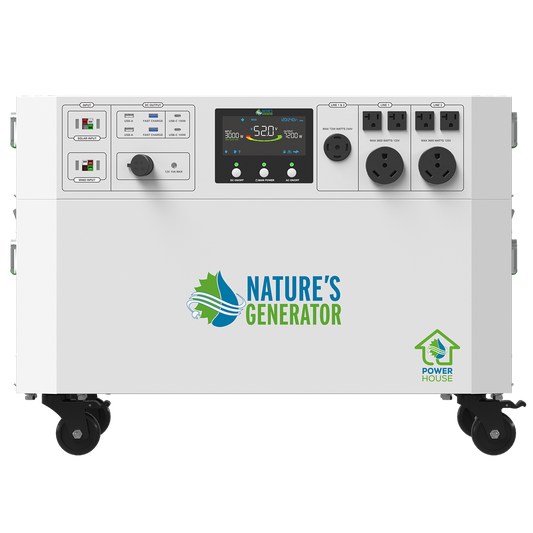
In the commercial sector, the transition begins with a hybrid approach. Companies are integrating systems like Nature's Generator Powerhouse units to handle critical loads. These systems offer a modularity that old-school diesel sets simply can't match.
The beauty of a solar-based system lies in its dual-purpose nature. While a diesel generator is a sunk cost that only provides value during an outage, a solar installation works for you every single day. It shaves off peak demand charges and lowers your monthly utility bill, essentially paying for its own "insurance" policy over time.
Key Advantages of Solar Backup Systems
When you weigh the options, the benefits of solar go far beyond just being green. Here is how the two technologies stack up in 2026:
|
Feature |
Diesel Standby Generators |
Solar-Plus-Storage Systems |
|
Fuel Source |
Costly, volatile diesel fuel |
Free, infinite sunlight |
|
Maintenance |
High (moving parts, fluids) |
Low (cleaning and monitoring) |
|
Noise Level |
Very high (80+ dB) |
Silent operation |
|
Longevity |
10 to 15 years (with heavy use) |
25+ years for panels |
|
Daily Utility |
Zero (Emergency use only) |
High (Reduces daily energy bills) |
Overcoming the Installation Hurdle
A common concern among operations managers is the standby generators installation process. Switching to solar is admittedly more complex than just dropping a diesel tank and a heavy engine onto a concrete pad. It requires an assessment of roof load capacity or available ground space, as well as an intricate integration with your facility's existing electrical infrastructure.
However, the technology has matured. Modern hybrid inverters allow for seamless transitions. When the grid goes down, the batteries take over in milliseconds—so fast that your computers might not even flicker. This is a massive upgrade over the 10 to 30-second lag time typical of a diesel engine’s startup sequence.
Financial Reality: ROI and Incentives
Let's talk numbers. The upfront cost of solar and battery storage is higher than a diesel unit. There is no sugarcoating that. However, the Total Cost of Ownership (TCO) tells a different story.
-
Elimination of Fuel Costs: You are no longer at the mercy of global oil markets.
-
Tax Credits: Federal and state incentives for renewable energy often cover 30% or more of the initial system cost.
-
Peak Shaving: By using stored solar energy during the most expensive times of the day, businesses can save thousands annually on operational costs.
For a mid-sized manufacturing plant, the break-even point for a solar backup system is now often reached within 5 to 7 years. After that, the electricity for your emergency resilience is essentially free.
Is Solar Right for Every Business?
While the trend is clear, the choice depends on your specific needs. Commercial standby generators fueled by diesel are still the go-to for facilities that require massive, multi-day draws of power in regions with very little sunlight. But for the vast majority of commercial applications, a solar-battery hybrid is the superior choice.
If your facility has the footprint for panels—whether on the roof, as a parking canopy, or in an adjacent field—you are sitting on a goldmine of untapped energy.
Making the Switch
The path to energy independence starts with a site audit. You need to know your peak load, your essential circuits, and your available solar real estate. Many businesses find that a phased approach works best: start by replacing a portion of your backup needs with a system like those offered by Nature's Generator and keep a smaller diesel unit for extreme long-term emergencies.
As battery density improves and prices continue to fall, the argument for keeping a loud, thirsty diesel engine on-site becomes weaker by the day. The future of industrial power isn't just about surviving the next blackout; it’s about thriving with energy that is clean, quiet, and completely under your control.


