


The whole solar game has flipped on its head lately. It used to be so simple—slap some panels on the roof, watch the meter spin backward, and wait for a zero-dollar bill. But man, those days are long gone. Nowadays, utilities are getting way more "creative" with how they charge us, using things like Time-of-Use (TOU) rates that basically penalize you for using power when you actually need it.
If you want to actually make your investment pay off, you’ve got to stop being a passive bystander. You need to run your house like a mini power plant. Here is the lowdown on how to squeeze every cent of value out of your setup.
The Art of the "Load Shift"
In 2026, a kilowatt-hour isn't just a kilowatt-hour. Its value swings wildly depending on the clock. If you’re sending power back to the grid at noon, the utility might give you peanuts for it. But try to buy that same power back at 7:00 PM? They’ll charge you a premium. It’s kind of a racket, right?
The trick is to use your own "cheap" sun power before the grid gets expensive. I’m talking about pre-cooling your house. Crank that AC at 3:00 PM while the sun is blazing so your home stays chilly through the evening peak. Also, stop running the dishwasher at night! Program it—along with the dryer and pool pump—to fire up between 11:00 AM and 2:00 PM. By eating your own energy, you avoid the whole "sell low, buy high" trap.
Why You Need a Real Battery Backup
Here is the deal: in most places now, the "Buyback" rate is a joke compared to the retail price. If your power company pays you 10 cents for your excess but charges you 30 cents at night, you’re losing 20 cents on every single unit of energy you send away.
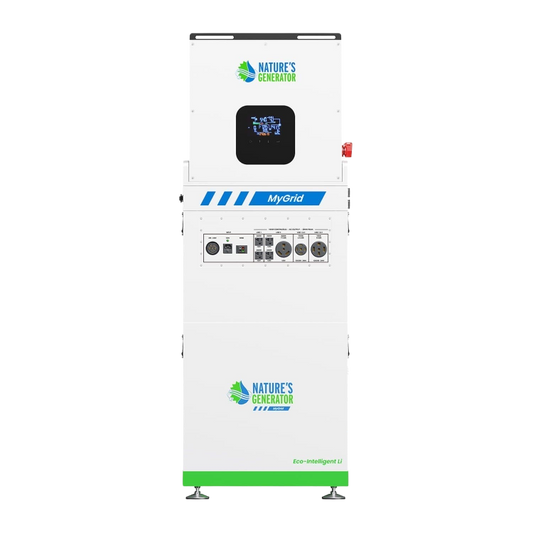
That is why a battery-powered generator for home use isn't just for emergencies anymore; it is a financial necessity. When you store that midday sun in something like a Nature's Generator, you’re essentially "saving" that 30-cent value for later.
Crunching the Numbers on Daily Life
People always ask about the big stuff, but they forget the small, constant drains. For instance, how much does it cost to run a freezer per month? While it might only be a few bucks, those small, 24/7 draws add up over a year. When you factor in a whole house of appliances, having the best solar generator for house integration allows you to offset those "vampire" loads entirely. It turns your home into a closed loop where the utility company is the absolute last resort.
New Frontiers: VPPs and RECs
Did you know you can actually join a Virtual Power Plant (VPP) now? It sounds like sci-fi, but it is just a bunch of homeowners linking their batteries together to help the grid. You get paid—sometimes in actual cash—just for letting the utility "borrow" a bit of your stored power during a heatwave.
Then there are RECs (Renewable Energy Certificates). Most folks don't realize that for every 1,000 kWh you churn out, you earn a certificate. Big corporations need these to look green for their shareholders, and they’ll buy them from you. It’s a totally separate paycheck from your utility bill.
Keeping the Gear Grinding
Don't let your panels just sit there getting dusty. If they’re dirty or your inverter is acting up, you are literally throwing money into the wind. I’ve seen people switch to bifacial panels lately—they catch light reflecting off the roof surface and can bump your production by maybe 15%. Every extra bit of juice is more credit in your pocket.
It takes a bit of strategy and the right hardware, but seeing that bill drop to near-zero makes the effort totally worth it.


