


Want to cut the cord with the electric company but live in a suburban neighborhood? You are not alone. Many homeowners want a whole home power generator or a clean solar power generator to protect their families from blackouts. At Nature’s Generator, our team knows that getting reliable backup power isn't just about buying hardware—it's about handling city rules. Whether you need a small portable backup power pack or a complete household setup, understanding off-grid zoning laws is the secret to success. This guide will show you how to legally set up your own mini-power grid without getting into trouble with local officials.
The dream of generating your own clean electricity is no longer just for people living out in the woods. Modern technology makes it easy for normal suburban homes to run on sunshine and batteries. However, the biggest hurdle is dealing with city building codes, municipal rules, and utility company regulations.
Why Do Suburban Zoning Laws Restrict Off-Grid Power?
To get your system approved by the city, it helps to understand why these annoying rules exist in the first place. Most suburban laws were written decades ago, long before home batteries were safe and affordable. Back then, cities assumed that if a house didn't have power lines hooked up to it, it was an abandoned, unsafe shack.
The rule of mandatory grid connections
In most suburbs, the law says that if a house is occupied by humans, it must be physically plugged into the city’s electric grid. If you completely disconnect your power lines, the city can declare your home uninhabitable. This means they can fine you or force you to move out.
Power companies also push for these rules. They build their local power systems assuming everyone will buy electricity from them. When homeowners drop off the grid, it disrupts their financial models and changes how power flows through the neighborhood.
Homeowners Associations (HOAs) and their strict rules
Even if your city allows you to generate your own power, your HOA might try to stop you. HOAs care deeply about neighborhood property values and how things look from the street. They often try to ban or restrict:
-
Solar panels that can be seen from the front road.
-
Large metal battery boxes sitting in the backyard.
-
Solar panel stands anchored into the grass.
Based on our experience, the best way to handle an HOA is with facts and neat layouts. You need to show them that modern energy systems are quiet, clean, and hidden safely out of sight.
How Can You Legally Build a Suburban Microgrid?
You do not need to cut your utility lines with wire cutters to be energy independent. Instead, you can use a clever setup our team calls the islanded hybrid approach. This method satisfies the city's laws while giving you total control over your power.
Pure off-grid vs. the islanded hybrid trick
-
Pure Off-Grid: You have zero physical connection to the power company. (This is what usually triggers city fines in the suburbs).
-
Islanded Hybrid: You keep the city power line plugged into your house so the inspectors stay happy. However, you install a special safety switch. When you turn this switch on, your home forms its own "island," running entirely on your solar panels and batteries. Your energy bill drops to zero, but you are still legally connected to the grid.
Standard safety rules you must follow
To get a building permit, your system must feature two major safety systems:
-
Anti-Islanding Protection: If the neighborhood power goes out, your system must automatically stop sending electricity backward into the street lines. This keeps utility repair workers safe from accidental shocks.
-
Rapid Shutdown: There must be a simple button that immediately turns off all electricity at the roof level. This ensures firefighters can safely walk on your roof during an emergency.
Which Permitting Paths Are the Easiest?
When you apply for a permit, how you describe your project matters. If you tell the city you are building an independent power plant, they will bury you in paperwork. If you use standard paths, they will approve it quickly.
Using backyard structure permits
If your roof faces the wrong way, or if your HOA hates roof panels, you can mount your solar panels on the ground in your backyard. Instead of calling it a massive solar array, you can often apply for an accessory structure permit. This is the exact same paperwork used for building a backyard tool shed, a gazebo, or a pergola. As long as the panels are far enough away from your neighbor's fence line, the city usually approves them without a second thought.
Your legal right to solar access
Did you know that over 40 states have laws called Solar Rights Acts? These laws state that cities and HOAs cannot completely ban solar energy systems.
An HOA can ask you to make reasonable changes—like hiding wires inside a wall or placing panels on the back roof instead of the front—but they cannot force changes that break your system or make it incredibly expensive to install. If your HOA says no, politely reminding them of your state's Solar Rights Act usually solves the problem.
Choosing Equipment That Passes Inspection
City inspectors will immediately reject messy, DIY electrical setups with loose wires. To get their approval, your gear needs to have official safety stamps, usually from a testing group like UL (Underwriters Laboratories).
|
Feature |
Pure Off-Grid Setup |
Hybrid Suburban Grid (Recommended) |
Old-School Grid Solar |
|
Connected to City Grid? |
No |
Yes (Satisfies the law) |
Yes |
|
Permit Difficulty |
Extremely Hard |
Easy to Medium |
Easy |
|
Works During Blackouts? |
Yes |
Yes |
No (Shuts off automatically) |
|
Needs Batteries? |
Yes |
Yes |
Optional |
|
Blocks Price Hikes? |
100% |
100% |
Only Partial |
Keeping things neat and simple
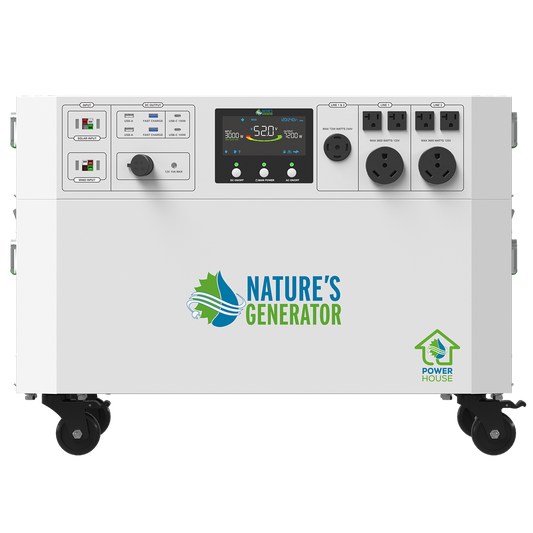
For suburban neighborhoods, it is best to avoid industrial-looking gear. Inspectors love all-in-one systems where the batteries, inverter, and computer controls are tucked inside one clean, neat cabinet. It looks like a standard home appliance rather than a complex factory installation.
Real-world example: How David beat the system
Take the case of David, a homeowner who lives in a strict suburb just outside Dallas, Texas. David was tired of severe storms knocking out his power, but city rules explicitly banned homes from disconnecting from the main grid.
Instead of cutting the main power lines, David installed a scalable Nature's Generator system. He left his main grid hookup completely alone. Instead, he wired his critical household circuits—like his fridge, lights, and AC—into a separate electrical subpanel powered by his batteries. When the city inspector walked in, David showed him that everything was clean, UL-certified, and safely contained. The inspector signed off immediately. Today, David runs his home on free solar power during the hottest parts of the day, saving money while keeping his backup power ready for the next big storm.
Step-by-Step Checklist for City Approval
If you want to set up your own home system legally, follow this simple roadmap:
-
Step 1: Check the local code book. Go to your city's website and look up rules for emergency standby power or residential solar. Learn what words they use so you can use them on your application.
-
Step 2: Get a clear wiring diagram. You need a simple sketch showing how power moves from your solar panels, into your batteries, and out to your appliances. This diagram must prove that your system cannot accidentally backfeed power into the neighborhood lines.
-
Step 3: Check your roof strength. If panels are going on your roof, the city might want a quick note from an engineer confirming the roof can hold the weight during heavy winds or snow.
-
Step 4: Use the official product manuals. When you hand in your permit application, attach the official specification sheets that came with your equipment. Highlight the safety testing logos so the reviewer knows the system is safe.
Building a Safe, Independent Future
You do not have to move out to the country to enjoy energy freedom. By understanding why city codes exist, using the hybrid island method, and choosing certified equipment, you can legally build an independent power source right in your suburban backyard.
Taking control of your electricity requires balancing local rules with smart technology. Using an all-in-one solution like a system from Nature’s Generator removes the guesswork and makes it easy to satisfy local building inspectors. With the right paperwork and the right gear, you can enjoy clean, reliable power without any legal headaches.


