


Power interruptions are a frequent reality for residents across Maine, where Central Maine Power (CMP) manages the electrical needs of over 600,000 homes and businesses. Whether triggered by a relentless Nor’easter, aging infrastructure, or a simple equipment failure, a CMP outage can range from a minor inconvenience to a multi-day emergency.
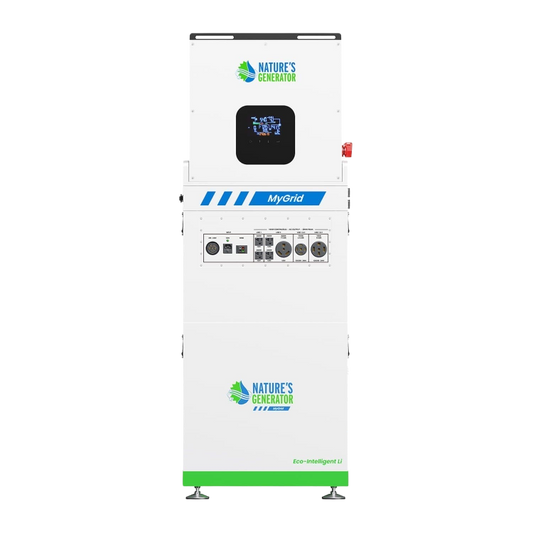
At Nature’s Generator, we understand that true security comes from independence. This guide answers the most pressing questions about CMP outages, provides real-time tracking resources, and explores how our advanced solar generator systems serve as the ultimate insurance policy against a failing grid.
How Can I Track Current CMP Outage Status and Restoration Times?
- Understanding CMP Outages
- Causes of CMP Power Outage
- Reliable Solutions for Your Energy Needs During CMP Outages
When the lights go out, the first priority is information. Based on our experience helping customers navigate emergency scenarios, having a bookmark for the CMP Outage Central page is essential. CMP provides several digital tools designed to keep you informed during a crisis.
The CMP Outage Map is the most widely used tool. It offers a geographic visualization of where power is down, categorized by county and town. By clicking on specific areas, you can see the number of customers affected and, more importantly, the Estimated Restoration Time (ERT). It is important to note that ERTs are often conservative estimates that may shift as crews assess physical damage on the ground.
For those who prefer direct updates, the CMP Mobile App allows you to report an outage instantly and receive push notifications as the status of your specific address changes. We recommend signing up for Automated Outage Alerts via text or email before a storm hits. This proactive step ensures you aren’t scrambling for data when your home's Wi-Fi is already down. In many real-world usage scenarios we’ve seen, customers who utilize the

What Are the Leading Causes of Power Interruptions in Maine?
Understanding why the grid fails can help you prepare for the specific challenges of a Maine winter or summer. Our team has analyzed the primary triggers for CMP service disruptions, which generally fall into three categories:
-
Severe Weather Events: This is the most common culprit. Maine’s unique geography makes it susceptible to high-wind events, heavy ice accumulation, and "wet" snow that clings to branches. When these branches snap, they take power lines down with them.
-
Infrastructure and Equipment Failure: Much of the electrical grid in the Northeast is aging. Transformers can blow during peak demand periods—such as the hottest days of July when air conditioning use spikes, or the coldest nights of January when electric heating systems are working overtime.
-
Wildlife and Accidents: It may sound trivial, but squirrels and other small animals are a frequent cause of localized "nuisance" outages. Additionally, vehicle collisions with utility poles are a significant factor in rural areas where narrow, icy roads are common.
By identifying these causes, homeowners can better gauge the likely duration of an outage. A squirrel-related fuse pop might be fixed in two hours, but a statewide ice storm can lead to outages lasting a week or more, a reliable backup power and a whole-home system is an absolute necessity.
Why Are Some CMP Outages Fixed Faster Than Others?
A common point of customer feedback involves the frustration of seeing a neighbor’s lights come on while your own street remains dark. CMP follows a strict "restoration hierarchy" to manage large-scale events efficiently.
The process begins with Public Safety and Critical Infrastructure. Crews are first dispatched to clear downed lines from main roads and restore power to hospitals, police stations, fire departments, and water treatment facilities. Following this, repairs focus on Transmission Lines and Substations. These are the "arteries" of the grid; if they aren't functioning, the smaller neighborhood lines (the "capillaries") cannot receive power anyway.
Finally, crews move to Distribution Lines that serve large blocks of customers, eventually reaching individual service drops for single homes. If you live at the end of a long, rural road with only two or three other houses, you are statistically likely to be among the last restored. This geographic reality is why many Maine residents are moving toward energy independence.
How Do I Prepare My Home for an Extended Power Failure?
Preparation is the difference between a controlled situation and a crisis. Based on our team's experience, a comprehensive storm checklist should include:
-
Water and Food: At least one gallon of water per person per day and a three-day supply of non-perishable food.
-
Communication: A battery-powered or hand-crank weather radio and fully charged external power banks for mobile devices.
-
Safety: Flashlights (avoid candles due to fire risk) and a first-aid kit.
-
Critical Loads: Identify which items in your home must stay powered. This typically includes a refrigerator, a well pump (if applicable), and medical devices like CPAP machines.
For those relying on well water, a power outage also means a water outage. In this scenario, having a Powerhouse V2 can keep your well pump running, ensuring your family has access to running water even when the CMP grid is totally offline.
Can I Integrate Nature’s Generator into My Existing Electrical Panel?
Yes. One of the most effective ways to handle a CMP outage is through a Transfer Switch. Instead of plugging individual appliances into the generator, a transfer switch allows you to link the generator directly to your home's breaker box.
This setup allows you to flip a switch and power entire circuits—like your kitchen lights, microwave, and internet router—directly from your Nature’s Generator. It provides a "business as usual" feel even when the rest of the neighborhood is in the dark. We have seen this reduce the stress levels of families during multi-day outages, as it eliminates the "camping in the living room" vibe and maintains a sense of normalcy.
Securing Your Energy Future
A CMP outage is an inevitable part of living in the beautiful but rugged state of Maine. While the utility company works hard to maintain thousands of miles of lines, the vulnerability of a centralized grid is clear. By staying informed through the CMP outage map and preparing your home with a robust backup plan, you can mitigate the risks of these disruptions.
Ultimately, the best way to handle a power failure is to not be affected by it at all. Nature’s Generator provides the reliability and peace of mind that traditional backup methods cannot match. Whether you are looking for a portable generator solution for your essential devices or a whole-home backup system to keep your entire household running, our team is here to help you achieve energy independence.


